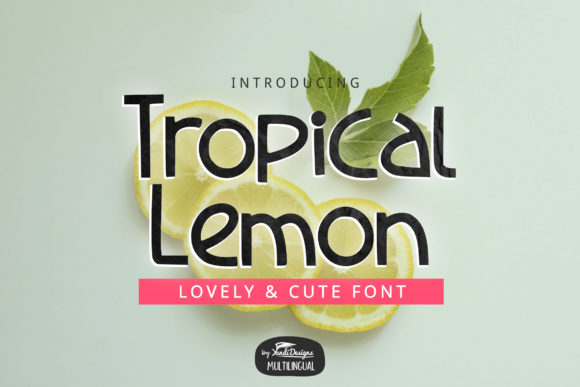
Tropical Lemon Typeface Review: A Minimalist Sans Serif for Modern Brands
I was sitting at my desk, staring at a hero section that just felt "off." The layout was clean, the photography was high-end, but the typography lacked that certain breath of fresh air I was trying to capture. I needed something that felt approachable yet polished—minimalistic enough not to distract from the product imagery, but with enough personality to establish a distinct brand identity. That’s when I pulled up Tropical Lemon. As a web designer who values both aesthetics and user experience, I decided to put this minimalistic and neat sans serif font through its paces in a real-world digital environment.
If you are looking to elevate your web design projects with a typeface that balances modern simplicity with subtle charm, Tropical Lemon might be the asset your fonts library has been missing. Here is how it performed in a live boutique online store redesign.
First Impressions: Visual Personality and Mood
The moment I dragged Tropical Lemon into Figma, the difference was noticeable. It isn’t just another generic geometric sans; it has a warmth to it that feels incredibly inviting. The term "Tropical" suggests vibrancy, but the execution is surprisingly restrained. It is neat, clean, and unpretentious. This makes it an incredibly versatile creative font for brands that want to appear professional without feeling sterile or corporate.
In the context of modern typography, finding a display font that doesn’t scream for attention is rare. Tropical Lemon whispers. It creates a sense of calm authority. Whether you are designing a landing page for a wellness coach, a portfolio for a minimalist architect, or a sales page for a digital course, this typeface sets a tone of clarity and confidence. It elevates any creation by providing a solid visual foundation that lets the content shine.
Performance in Hero Sections and Headlines
I tested Tropical Lemon primarily as a headline font in the hero sections of three different website mockups. The results were consistently strong. Because it is a sans serif font, it scales beautifully. When used in large sizes for H1 headers, the letterforms remain crisp and legible, even on high-resolution Retina displays.
Key observations from the testing phase:
- Visual Hierarchy: Using Tropical Lemon for main headlines immediately established a clear hierarchy against a simple body font. It acted as a perfect anchor for the page.
- Brand Trust: The neatness of the font contributed to a perception of reliability. In web design, trust is built through consistency and readability, and this font delivers on both fronts.
- Aesthetic Appeal: On a light background with dark text, the contrast was sharp. On a dark mode interface, it maintained its legibility without appearing too heavy or blocky.
One specific use case where Tropical Lemon shined was in a promotional banner for a seasonal sale. The short phrases like "Summer Collection" and "Limited Edition" looked stunning. The font’s slight quirks in the terminal ends of letters added just enough character to make the call-to-action buttons feel clickable and engaging.
Readability and Responsive Layouts
A common mistake designers make is using decorative fonts for body copy. While Tropical Lemon is beautiful, it is best suited for short phrases, names, titles, and decorative wording rather than long paragraphs. During my review, I attempted to use it for subheadings (H2 and H3 tags) and found that it worked exceptionally well.
However, when scaling down to mobile views, I had to be mindful of line heights and letter spacing. For responsive layouts, ensuring adequate whitespace around Tropical Lemon headlines prevents the text from feeling cramped on smaller screens. It performs best when given room to breathe, which aligns perfectly with current UX trends favoring clean, uncluttered interfaces.
Pro Tip: Avoid using Tropical Lemon for dense dashboard layouts, form labels, or small navigation text. Its minimalistic nature means it can lose impact if scaled too small. Stick to using it for hero titles, section headings, and prominent UI elements where it can command attention.
Font Pairing Strategies for Web Design
No font exists in a vacuum, and Tropical Lemon plays very nicely with others. Since it is a neutral yet charming sans serif, it pairs effortlessly with a variety of other typefaces to create a cohesive brand identity.
- Clean Sans Serif Body Text: Pairing Tropical Lemon with a highly readable, neutral sans serif font (like Inter or Roboto) for body copy creates a balanced editorial design. The headline provides character, while the body ensures accessibility and ease of reading.
- Simple Serif Accents: For a more sophisticated look, such as in luxury e-commerce or fashion blogs, pairing Tropical Lemon with a classic serif font adds a touch of elegance. This combination works well for quote blocks or pull quotes.
- Handwritten or Script Fonts: If you need to add a personal touch to a button or a testimonial, a delicate handwritten font can complement the structure of Tropical Lemon without competing with it.
This versatility makes Tropical Lemon a valuable addition to any designer’s toolkit. It allows for dynamic font pairing that can shift the mood of a page from playful to professional simply by changing the secondary typeface.
Technical Considerations and Licensing
Before integrating Tropical Lemon into client projects or commercial websites, there are practical steps every designer should take. First, check the included styles. Does the package offer multiple weights? A range of weights (Light, Regular, Bold) is crucial for creating depth in web design. If the font includes alternates, ligatures, or swashes, these can be powerful tools for logo design or custom social media graphics, adding unique flair to standard text.
Also, verify the file formats. Ensure you have access to webfont formats (WOFF2) for optimal loading speeds. Slow-loading fonts can negatively impact SEO and user experience, so having the right technical assets is non-negotiable. Additionally, confirm the commercial font licensing terms. Are you allowed to use the font on unlimited domains? Can it be embedded in digital products or templates you sell? Understanding these rights protects you and your clients from legal issues down the road.
Final Verdict for Digital Creators
Tropical Lemon is more than just a pretty face; it is a functional, elegant tool for web designers and digital product creators. Its minimalistic and neat sans serif style makes it an incredibly asset to your fonts library, capable of elevating any creation from a basic template to a polished brand experience.
Whether you are building a boutique online store, a coaching website, or a portfolio homepage, Tropical Lemon offers the modern typography and visual appeal needed to engage users effectively. It respects the content, enhances the user journey, and brings a sense of refined simplicity to your digital space. If you are looking for a reliable, stylish, and versatile typeface to define your online presence, Tropical Lemon is definitely worth the investment.